
Why Great Optical Stores Aren't Built on Average Collections
I’ve never met an optician who dreamed of opening an average optical store.
No one invests years of hard work, passion, and expertise hoping their practice will simply blend in with the competition. Every owner wants customers to walk through the door and immediately feel that they’ve arrived somewhere different. Maybe it’s the atmosphere. Maybe it’s the service. Maybe it’s the carefully selected eyewear.
But whatever it is, the goal is always the same: to create an experience people remember. Yet something interesting happens when it’s time to choose a new eyewear collection. The conversation often shifts to numbers. Discounts. Margins. Delivery times. Previous sales.
These are all important considerations. Every successful business needs to make commercially sound decisions. But there’s one question that often gets overlooked.
»Will this collection give people a reason to choose my store instead of the one five minutes away?«
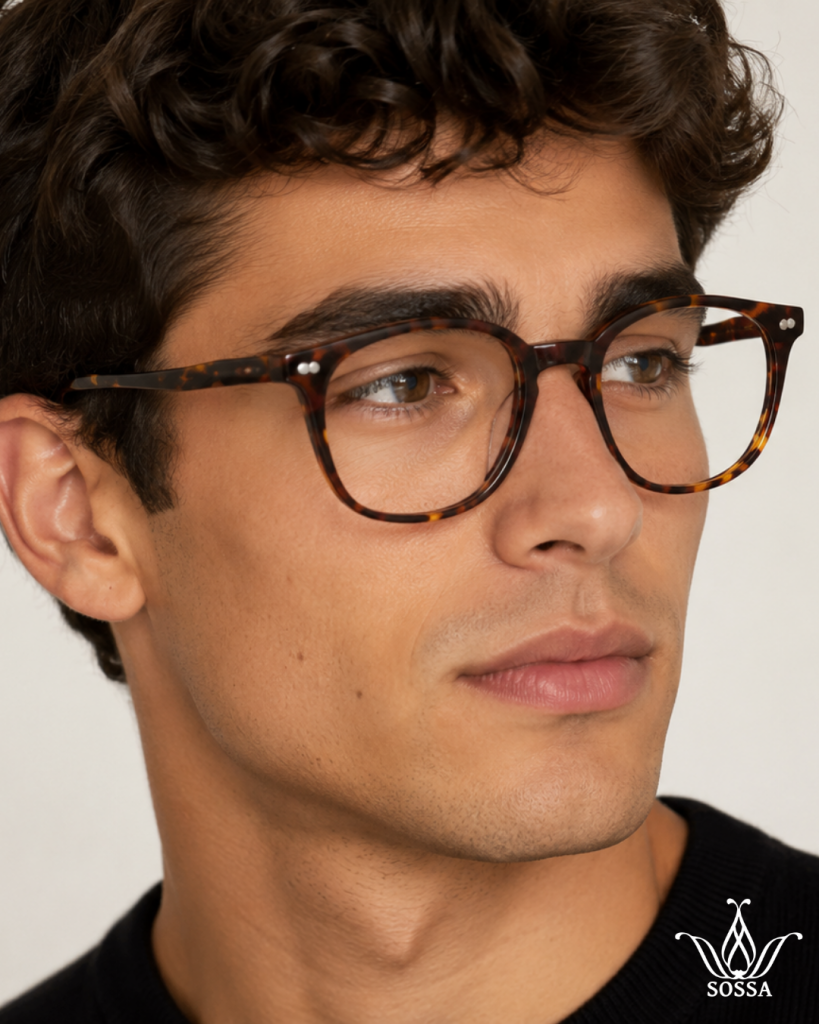
It’s a simple question, yet it changes the way you evaluate every frame that ends up on your shelves.
The Comfort of Playing It Safe
Over the years, we’ve noticed a common pattern. Many optical stores choose collections that feel familiar because familiar feels safe. If a particular shape has always sold, it seems logical to buy more of it. If every supplier offers similar styles, choosing another similar collection feels like the low-risk option. But safety has a hidden cost. When every optical store carries frames that look alike, customers have little reason to remember where they saw them.
Your store becomes another place that sells glasses. Instead of becoming the place people recommend to friends.
More Frames Don’t Always Create More Choice
Another misconception is that a larger collection automatically creates a stronger offering. In reality, carefully selected collections often outperform larger ones. Customers don’t walk into an optical store hoping to see hundreds of nearly identical frames. They’re looking for something that catches their attention.
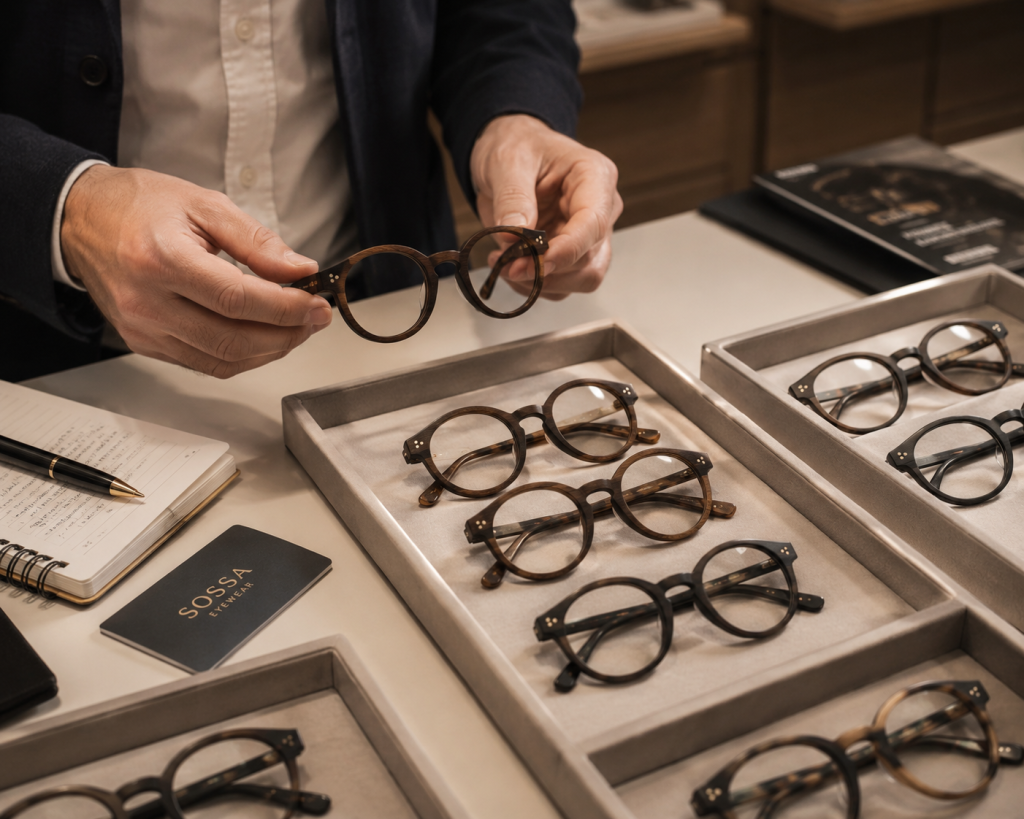
Something unexpected. Something that feels like it was chosen with intention. A curated collection tells a story. It reflects the personality of the store and the values behind every recommendation an optician makes.
People Remember Moments, Not Products
Ask someone where they bought their favourite pair of glasses, and they rarely begin by describing technical specifications. Instead, they talk about the experience. The frame they almost didn’t try on. The colour they never expected to love. The optician who encouraged them to step outside their comfort zone. The smile that appeared the moment they looked in the mirror. Those are the moments that build loyalty. Not price lists. Not catalogues. Not discounts.
Your Collection Speaks Before You Do
Long before you introduce yourself, your shelves are already communicating something to every customer who walks through the door. They tell visitors whether your store values originality or familiarity. Whether you follow trends or confidently create your own identity. Whether you’re simply selling eyewear or carefully curating a collection that reflects your expertise.
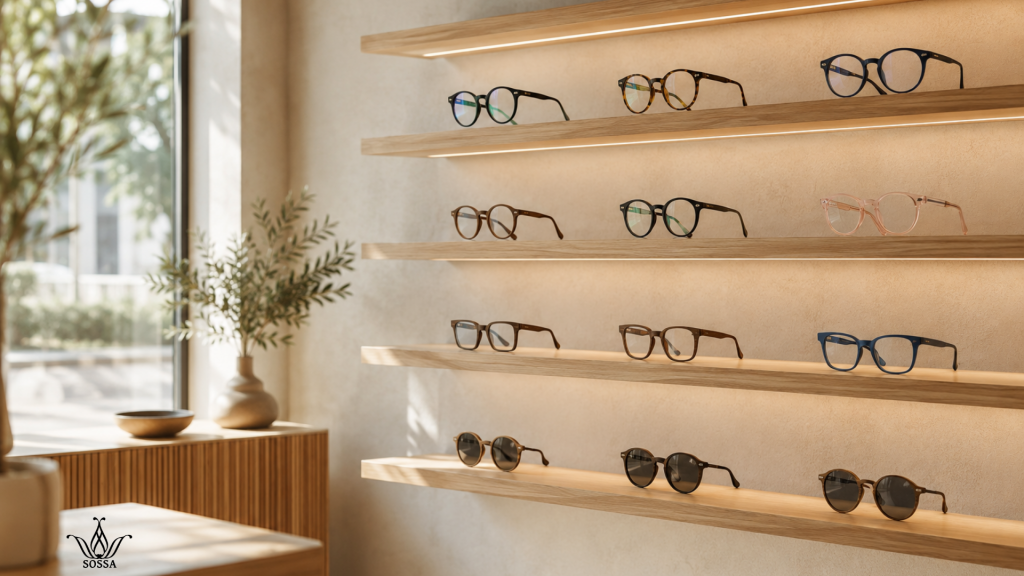
Every frame becomes part of your brand. Every display contributes to your reputation. And every collection helps shape how customers remember your store long after they’ve left.
The Stores People Talk About
The optical stores people recommend aren’t always the biggest. They aren’t always the cheapest either. They’re the ones that feel different. They surprise people. They inspire confidence. They create an experience customers can’t find somewhere else.
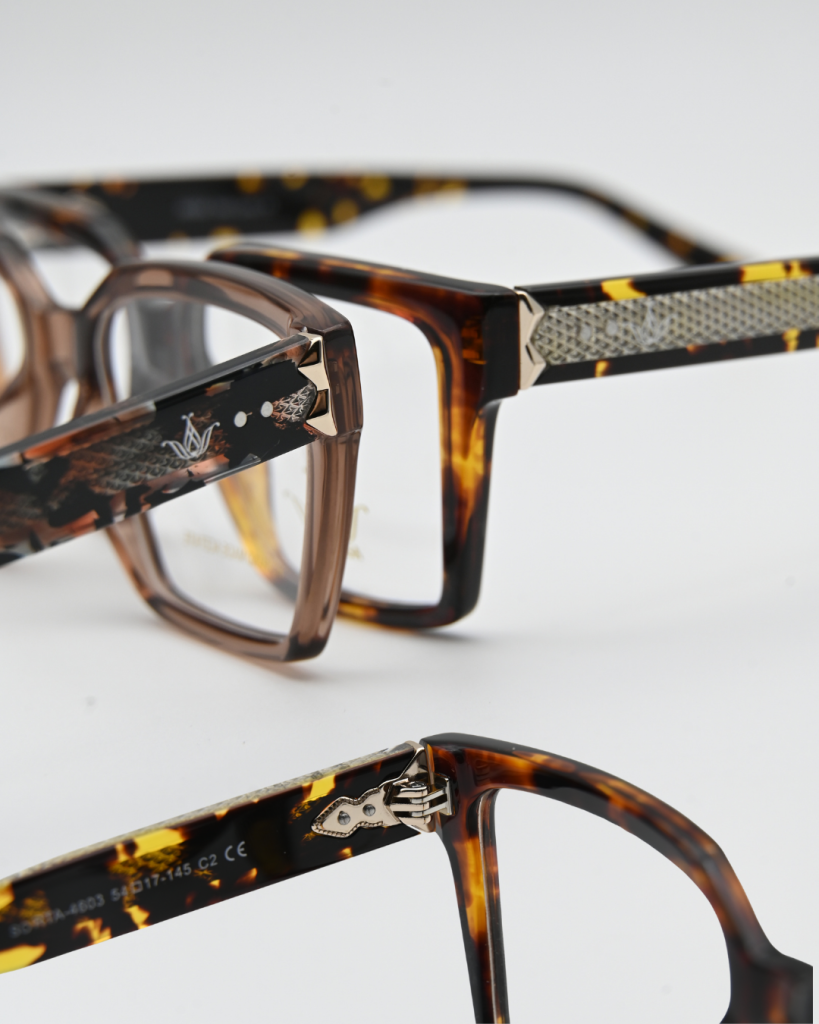
Because at the end of the day, eyewear is about much more than filling shelves. It’s about creating a destination. One where customers don’t simply come to buy glasses. They come because they trust your eye, your expertise, and your ability to help them discover something they wouldn’t have found anywhere else. Because average collections create average stores.
Distinctive collections create destinations.